

How to Avoid Burnout, Writer’s Block, and Creative Slumps
(When Creative Thinking Is Your Career)
When your career is in creative work, there are no days off from creative thinking. But no days off can cause burnout fast. When you’re working on a project, and that light bulb over your head (the one that usually eventually glows with ideas) isn’t sparking, it can feel impossible to move forward. This creative block is frustrating when you’re a hobbyist, but debilitating when your job relies on creative thinking. We know this feeling all too well, and that’s why we’ve created the ultimate guide on how to avoid burnout and what to do when you hit writer’s block.
How to Avoid Burnout When Creative Thinking Is Your Job
Unfortunately, there is no one-size-fits-all solution for drumming up magical ideas on the regular. But you can take concrete steps to access and lean on your creativity consistently, without the dreaded burnout.
These 8 steps on how to avoid burnout in creative work are:
Keep reading for the detailed breakdown of each step on how to avoid burnout, as well as a deep dive into how burnout and writer’s block show up in creative work.
What is burnout and writer’s block?
Burnout is the mental, emotional, and physical exhaustion that builds up when you’re constantly producing, creating, and delivering under pressure or with not enough time to recharge. Burnout can happen in any role, in any industry. And even though many creatives love working in a fun and imaginative field, burnout can happen even more easily, as creative thinking requires an extra layer of energy.
While those in other fields can show up and give their all each day, roles in creative work require flexibility to the natural ebb and flow of creative thinking. Creativity isn’t something we can tap into with a snap of a finger, as much as we might want it to be.
Writer’s block is when a typically fluid writer becomes unable to put thoughts into words, with their creative well running dry of fresh ideas. Writer’s block often occurs during or after burnout; the two are more connected than most people realize. Writer’s block doesn’t care about your deadlines. And it happens to the best of us; even the most creative writers can find themselves suddenly empty of what to say.

If you’ve ever sat frozen in front of a blank screen, wondering where your creativity went, there’s a good chance burnout was already quietly at work. But burnout can happen to anyone, in any career. And the same writer’s block can take form in any creative role; creative blocks affect graphic designers, photographers, web designers, video editors, art teachers, and really anyone who relies on their creative thinking skills on the regular.
Signs and Symptoms of Burnout at Work
Burnout can creep in slowly, and it can be difficult to realize you’re experiencing it when it starts to feel like your norm. Writer’s block is just one symptom of burnout. Other signs and symptoms of burnout at work are:
- Feeling like you have no free time
- Struggling to come up with fresh ideas when you’re normally creative
- A lack of excitement for work and personal projects
- Feeling like every day is like the next
- Spending all after-work hours watching TV shows you don’t care about
- Not remembering the last time you enjoyed your creative hobbies
- Feeling tired all the time, even when you get enough rest
- Stacks of personal projects collecting dust
- Feeling drained, with little to no motivation for even simple tasks
If you’re experiencing some or many of these symptoms, don’t worry – you’re not alone! Burnout sucks, but we’ve got all the details on preventing it and conquering it, even if you’ve been stuck in it for a while now!
Step 1: Establish a workspace where creative thinking can flourish.
If you’ve been feeling stuck, refreshing your space is a good place to start. Sometimes during burnout, our space takes a hit, and we find ourselves surrounded by clutter or mess. Other times, the lack of tools or physical workspace can be the root cause of your creative block. Establishing a space that works for your creative mind, instead of against it, can be the best place to start troubleshooting how to get out of the rut you’ve found yourself in.
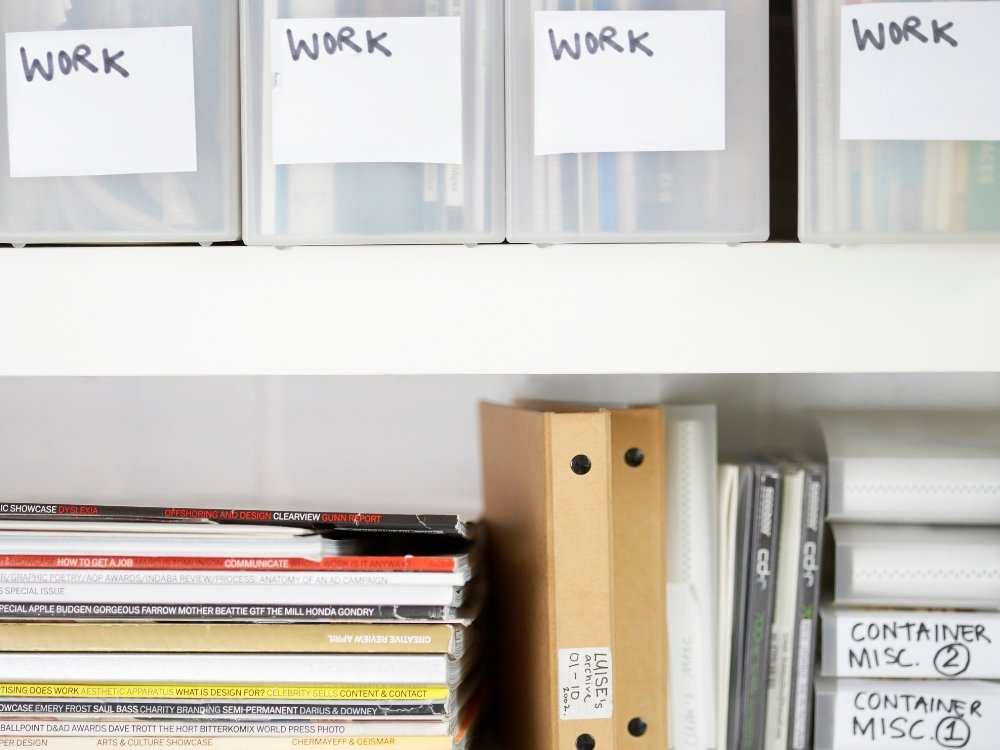
Keep your space tidy for clear, creative thinking.
Whether you work from home or in the office, maintaining a well-kept work and home space improves your mood and motivation. A cluttered space makes for a cluttered mind, which only hinders our ability for creative thinking. Please note: a tidy, clutterless desk is not the same thing as a clean, empty desk. The former allows space for work to happen, while the latter, if too sterile, could hinder your creative spirit.
If you work from home, surrounding clutter can lead to unnecessary distractions or frantic thinking, especially as you balance work and home life all under one roof. When physical things are out of order, it can make you feel like you’re not in control. If you’ve been experiencing burnout or writer’s block, you may want to set a timer for an hour or two and knock out some chores before you even start your creative work.
Invest in your workspace.
Whether it means getting a stand for your monitor, adding an external mouse or keyboard, or just adding a few knick-knacks to your desk that you enjoy seeing, you want your workspace to promote productivity and reflect your unique creativity.
You don’t need to go all out buying expensive gadgets or decor; use what you have, determine what is missing, and invest in what feels important. If frustration over your laptop mousepad has you avoiding a project, it’s time to buy yourself a mouse and mousepad (and in a color you love!). If your writer’s block is accompanied by writer’s back pain, it may be time to upgrade your desk chair. It can be amazing how much more productive we are when equipped with the right tools.
Design your desk or office with intentional, personal touches.
Decor is less essential than tools, some may argue, but we believe creative thinkers need a workspace that reflects their personality and inspires. Plants, candles, pictures, and knick-knacks can transform your desk into a place you love to be. You may have set up your desk beautifully once, and now it’s simply overdue for a refresh.
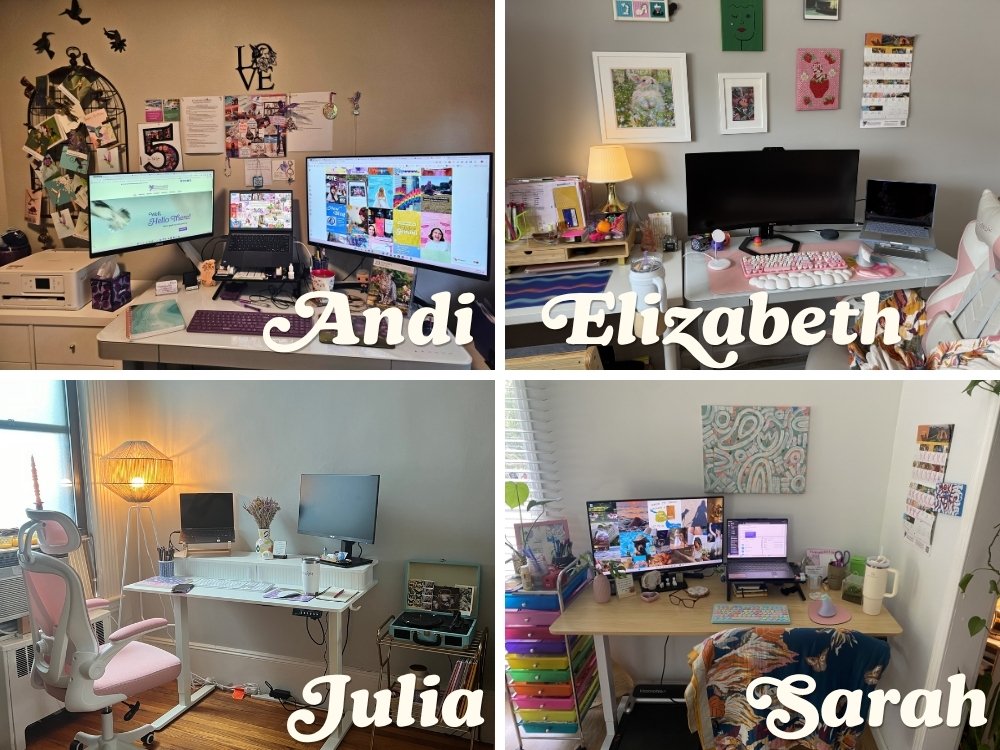
We also recommend making a vision board and hanging it near your desk (or making a digital vision board and saving it as your computer’s background) to remind you of your goals and dreams. Our surroundings can either energize or drain. Our space has the power to spark creativity; being around items or colors that bring you joy can help you tap into that creative place more naturally, so design your space with intention!
Eliminate distractions in your space to allow creative thinking to flow.
You might be thinking, “That’s easier said than done,” but there are actionable ways to help direct your focus, even in such a distracting world. Creating a tidy and organized, yet personalized, workspace is the first step to eliminating distractions.
Another way to eliminate distractions is effective communication. If you work from home, let your family, partner, or housemates know when you plan to lock in on a creative project to prevent interruptions. Take any pets out for a walk first, have a snack, and get to work. Whether you work remotely or in an office, you can also let your team know when you have a task that requires some serious creative thinking.
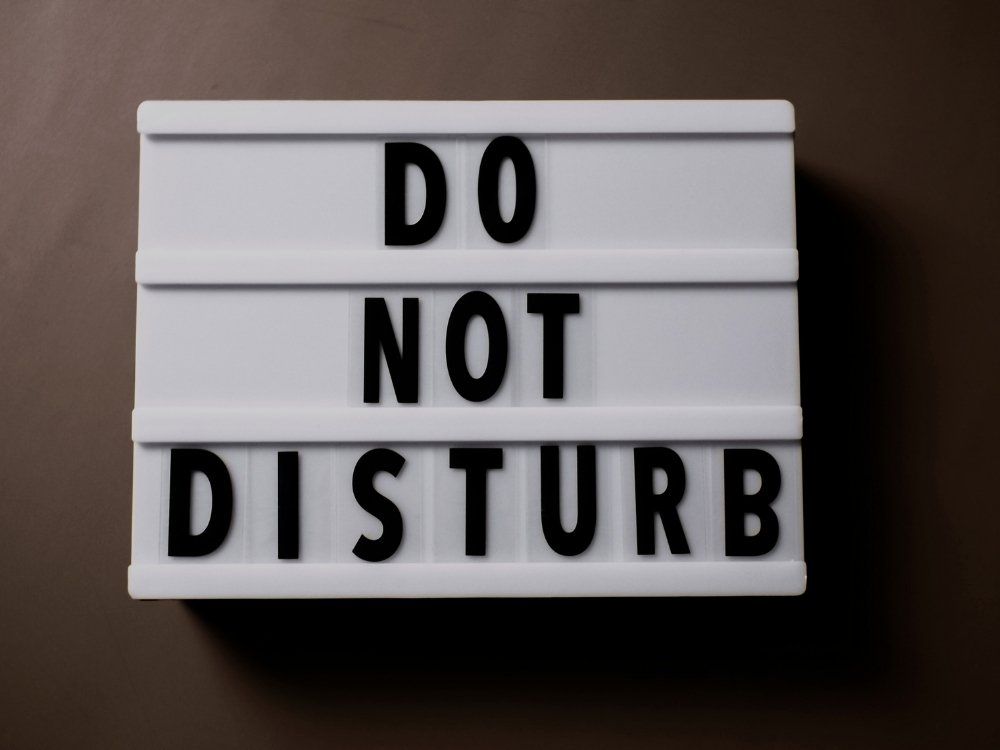
The constant stream of notifications from email, texts, social media, and more is sure to cause burnout if you don’t take dedicated time to “turn off” these distractions for a while, at least on your personal devices.
If you’re someone who is easily distracted, you’re not alone, but following these practices can have an amazing impact on your ability to stay focused and overcome writer’s block.
Step 2: Take care of your physical well-being; it powers your creative thinking.
It sounds simple and obvious, but when a creative block hits and the deadline is approaching, our physical body is often the last on our priority list. But it should be first. Too often, we think “I’ll eat later” or “I’ll go for a walk tomorrow,” or “I’ll start the gym next week,” but really, prioritizing movement and nutrition could be the missing key to overcoming burnout and jumping right out of your creative funk.
Movement keeps the creative juices flowing.
Read that again; movement keeps your creative juices flowing. Don’t put it on the back burner! Your best ideas could be waiting for you on the sidewalk down the street or hiding in the yoga mat you haven’t unrolled in months.
Block out time each day to be active, even if it’s just a 10-minute walk or stretch break. Running, yoga, cycling, and aerobics are all great, mind-friendly movement options. But any movement that feels good to you is good for you.
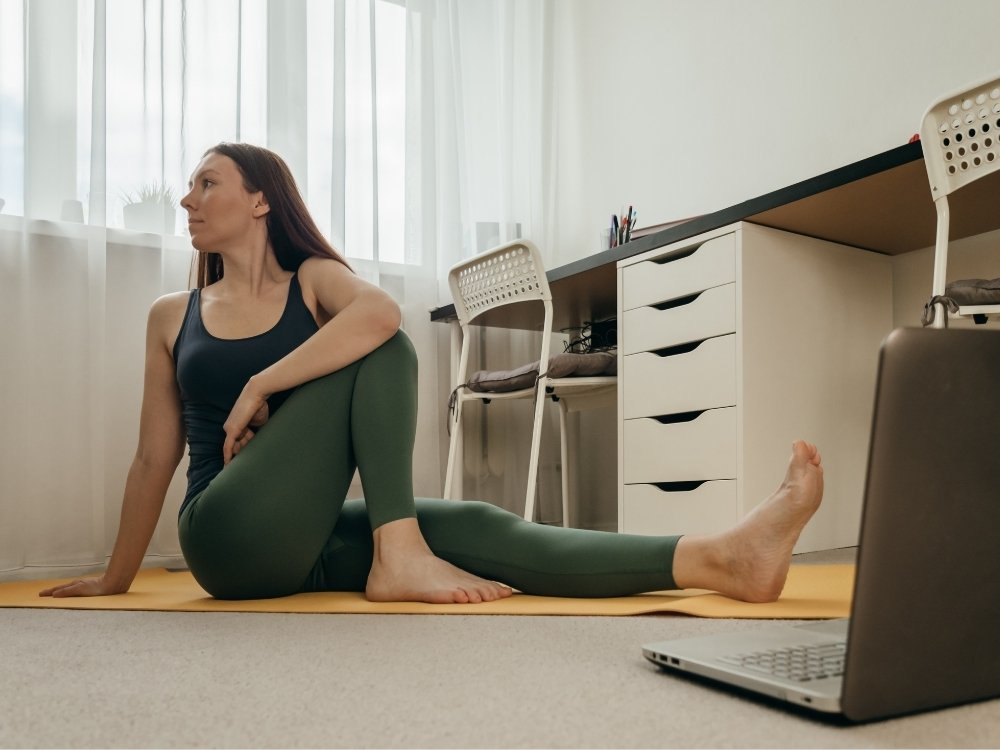
If you’re feeling truly limited for time and space, that’s okay! A little can go a long way. Yoga with Adriene features tons of beginner-friendly options that take only ten minutes. We also recommend desk yoga, a fun practice that allows you to stretch, relax, and flow, all from your desk!
Whatever you choose, get up and move! When your mind and body are in harmony, it’s much easier to stay focused and access your creative thoughts.
Fuel your body to fuel your creative thinking.
It’s no secret that a healthy diet is a fundamental element of self-care and feeling your best. It is said over and over again because it’s true, and yet we shovel down microwaveable food between tasks and forget to drink water. There’s no sugarcoating it: you have to fuel your body to produce creative work consistently.

Eating a balanced diet that includes plenty of fruits and vegetables, whole grains, lean proteins, and healthy fats can also help to avoid energy crashes and brain fog that come with consuming too much sugar and junk food.
Drinking enough water and eating a healthy, balanced diet regularly not only improves productivity but also provides a strong foundation for creativity to flourish. Our bodies and brains need water to function optimally, and research shows that even mild dehydration can lead to decreased focus, moodiness, and fatigue.
Step 3: Create a routine that works for you.
Routine can cultivate or crush creative thinking. When you build a routine around work-life balance, hard work without the burnout comes much easier, and your healthy habits start running on autopilot instead of forcing you to remember these steps on how to avoid burnout every day. That said, some creative people actually function better by leading with their whimsy rather than following a set routine. Establishing a routine is tough for almost everyone, but knowing whether your creative thinking thrives with a rigid routine, a flexible one, or little to no routine at all is key to living with less friction and preventing writer’s block.
Determine your routine type.
Just as we all have different relationships with creativity, we have different relationships with routine. You might cringe at the word or not be able to live without it. The healthiest routine is personalized to your unique needs; it must be both realistic and motivating for you. Being honest with yourself about what level of routine works best for you is the first step to building a personalized routine that you can truly stick to.
The Routine Lover
If you are someone who thrives on routine, you likely already know it. You enjoy predictability, jobs with consistent start and end times, and working within the confines of a set structure. You love calendars, planners, and your day-to-day looking mostly the same.

If this sounds like you, time block your regular tasks, but also include some specific and intentional time blocks. Setting aside a “procrastination time block” or a “catch-up time block” (or both) can help ensure you have weekly time on your calendar for tasks you would otherwise procrastinate or fall behind on. Also, schedule meal breaks, time blocks for creative thinking, and time to move your body. For a rigid routine lover, time blocking and a stricter schedule can be the holy grail for avoiding burnout.
Many creatives do not fall in the Routine Lover category, and that is totally okay! Routine is not all-or-nothing; most people perform and feel their best with a flexible routine that balances structure and space.
The Loose Planner
If you like having free time and extra space to create, but find yourself struggling to stay on task without some structure or oversight, you are likely a Loose Planner. You feel your best when you have small routines throughout your day, like a morning coffee and email check, a walk after lunch, or a bedtime skincare routine, but you may struggle with consistency with routines. You enjoy a bit of randomness and spontaneity, and without it, you feel stifled or bored.
You may have a decent routine already that just needs some shifting. Alternatively, you may feel like you have no routine at all, but when you look a little closer, you do have a fairly consistent routine that just isn’t optimal. This could be the routine of sleeping in, rushing to grab breakfast and get ready, skipping lunch, and crashing on the couch. Even if it’s not a “good” routine, if your day-to-day is more or less consistent, you are likely a Loose Planner.
The Loose Planner should develop a routine that balances structured time with free space. You may need to work on breaking some bad habits while building a routine that you truly thrive in. Start by determining what is missing from your schedule and slowly build a routine around what you need more of, while replacing what you need less of to prevent burnout.

Start working on one habit at a time; do not try to suddenly change your entire schedule. Over time, you can stack more and more habits to achieve your optimal routine. But make sure you don’t overstructure your day, create routines where it makes sense to you – this could be morning and evening, around meal times, or a mix, but remember to keep the remainder of your day open for whatever pops up.
The Free Spirit
Some people are outliers who truly perform best with little to no routine. If any routine you’ve tried, however small, has felt like a constant uphill battle and you find yourself being more productive when you’re free from the friction of trying to be consistent (and both must be true), you are a Free Spirit. You likely don’t do anything at the same time day to day, but end up getting all your tasks accomplished by the end of your workweek. You work 3 hours one day, and 11 hours the next, and feel great on both days. You wake up early some mornings and sleep until noon on others. Even something as routine as brushing your teeth or feeding your pets differs each day.
You may feel stress over your lack of consistency. If the stress is rooted in concern of how others might perceive you or the need to “fit in,” then you likely are a true Free Spirit. But if the stress comes from feeling chaotic and lacking control of your life or home, you are likely a Loose Planner, or even a Routine Lover, who is subconsciously longing for structure.
For Free Spirits, structure and rigidity actually hinder their creative thinking. Free Spirits feel their best and are most productive when they follow their whimsy. They rest when tired, and work overtime when they’re full of energy. Their intuition guides what project they work on.
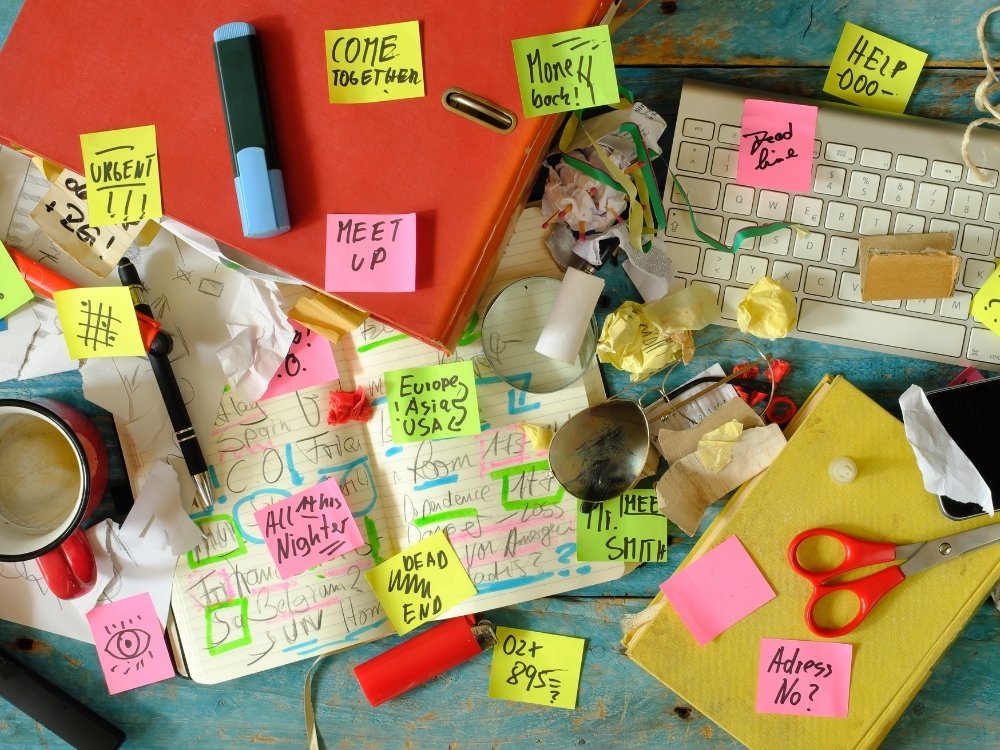
Free Spirits still have some elements of structure in their day, and this often looks more like “if, then” statements than a time-centered schedule. For example, if I just finished a long meeting, then I grab a healthy snack, or if I’m feeling drowsy, then I go for a short walk. But for the most part, Free Spirits thrive when they reject time blocking, scheduling, or the urge to build routine, and lean into the “chaos” that guides them. Free Spirits trapped in a routine wear themselves out quickly and can find themselves stuck in burnout for months or even years.
How to create a routine when you don’t have one.
When your life has little to no routine, establishing one starts with tiny baby steps that you gradually build on. Something as simple as breakfast every morning, a 3-minute stretch after meetings, or waking up at the same time every day could be your starting point. Never try to overhaul your life with a whole new routine overnight. Instead, work on one or two habits at a time. Once they become second-nature (this can take a couple of weeks to a few months), start adding new habits to your routine.

Imagine your dream routine, then determine one habit from your routine that will be easiest to incorporate. Commit only to this one habit until it is a part of your routine, then select another habit to prioritize for the coming weeks. Expect your ideal routine to adjust; you will likely restructure as you discover what works best for you.
Start and end every day at the same time.
Consistent work hours can be helpful for all routine types, but especially for the Loose Planner. Consistent start and end times are not always within our control, depending on work expectations, but if this is already your reality, that’s a great thing! If you have the flexibility to set your own schedule, be realistic about what works for you based on when you feel most alert and productive. Then, try to stick to a consistent beginning and end time.

Remote work, especially, can blur the lines between home and work life, so a set time for each can be an incredible boundary to avoid burnout and promote work-life balance. A calmer and clearer mind makes room for added creativity; you may find you start achieving even more creative ideas even after your workday is over.
Make sure self-care isn’t left out of your routine.
When establishing your routine, it’s important to note that it does not only refer to your working hours. On the contrary, your before-and-after-workday routines are both equally important. Setting intentional time for ourselves is essential and makes a huge difference in our day-to-day energy level, motivation, and especially, our creativity. Make sure your routine includes time for at-home responsibilities like chores, cooking, and caring for pets or children.

Consider designing a schedule that has set times for exercise, meals, and meetings, leaving the rest of your workday as unstructured space for creative work. Most of us attempt the inverse of this— creative work is structured, while home life and self-care become a flexible option, which too often ends up becoming a cast-aside priority, leading to long-term burnout and writer’s block.
Step 4: Prioritize breaks to prevent burnout.
Taking breaks, especially in between projects or tasks, helps to keep your mind sharp and boost your creativity. Try scheduling breaks for 10–15 minute intervals at the same times every day to establish consistency. If the same time every day doesn’t work for your schedule, consider building breaks in around certain tasks. For example, taking a break after every meeting or in between switching projects. Knowing when your “on” and “off” times are throughout the workday helps keep you on track in between them—and your brain appreciates the reward of a break after stretches of focus.
In addition to planned breaks, whenever you’re feeling stuck, encourage yourself to take five to ten minutes and physically step away from what you’re working on to clear your head and inspire a new perspective. Creativity isn’t something you can force, so hitting pause could be exactly what you need to get back into a flow. Sometimes, a 20-30 minute walk is all the mind needs to get over the writer’s block and get the creative thinking back on track. Forcing yourself through it can be counterproductive to getting the job done in creative work; breaks are a top way to avoid burnout.
Step 5: Avoid writer’s block by checking in with yourself.
Regularly checking in with yourself and your mental health is especially essential in creative work because it helps you catch the early signs of burnout and writer’s block before your energy and focus are running on empty.
Meditation releases stress and creates space for ideas to flow.
Not only does consistent meditation provide a sense of calm and relaxation, but it also has numerous health benefits. Studies have shown that regular meditation reduces stress, anxiety, and depression—not to mention lowering blood pressure, improving sleep quality, and boosting immune function.

By quieting the mind and focusing on the present moment, you can clear away mental distractions that can get in the way of your creative process. Our Founder & CEO, Andi Lucas, personally recommends the Calm app for guided daily and sleep meditations, soundscapes, breathing exercises, and more.
Journaling helps process thoughts before they pile up.
Consistent journaling has been shown to improve cognitive function and boost creativity. Writing down your thoughts and ideas on paper at the beginning or end of your day helps you make sense of complex situations or emotions and reduces stress.

If one day you’re lacking inspiration, you might be surprised by how reading through a previous entry will spark a new perspective. Additionally, journaling can be a great way to set personal or professional goals and keep track of your progress. When writer’s block on a project hits, journaling about your personal life or really anything else can help break down the block and get your mind into writing mode.
Step 6: Connect with fellow creatives.
One of the best ways to protect yourself from burnout is to remember you’re not alone and find others to lean on for support. All creatives understand the highs, the slumps, and the pressure of delivering on repeat. Team meetings are a great place to share ideas and brainstorm together. Make time for one-on-one chats with coworkers and be honest about how you’re really doing. We tend to have more in common than we even realize.
Outside of work, explore ways to connect with creative friends who energize and inspire you. Coffee dates, art galleries, and working on fun projects together are great ways to connect and build motivation. You can also widen your circle by joining online groups or attending local creative events. Finding other people you can relate to, lean on, and cheer on is a powerful way to avoid burnout and create consistently and with enthusiasm. These connections can spark new ideas, while also reminding you that we’re all human; we all have slow days, worries about not being productive enough, and self-doubt. Seeing other people do amazing creative work, while knowing the highs and lows of their journey, can be incredibly inspiring and motivating.
Step 7: Seek inspiration for creative thinking.
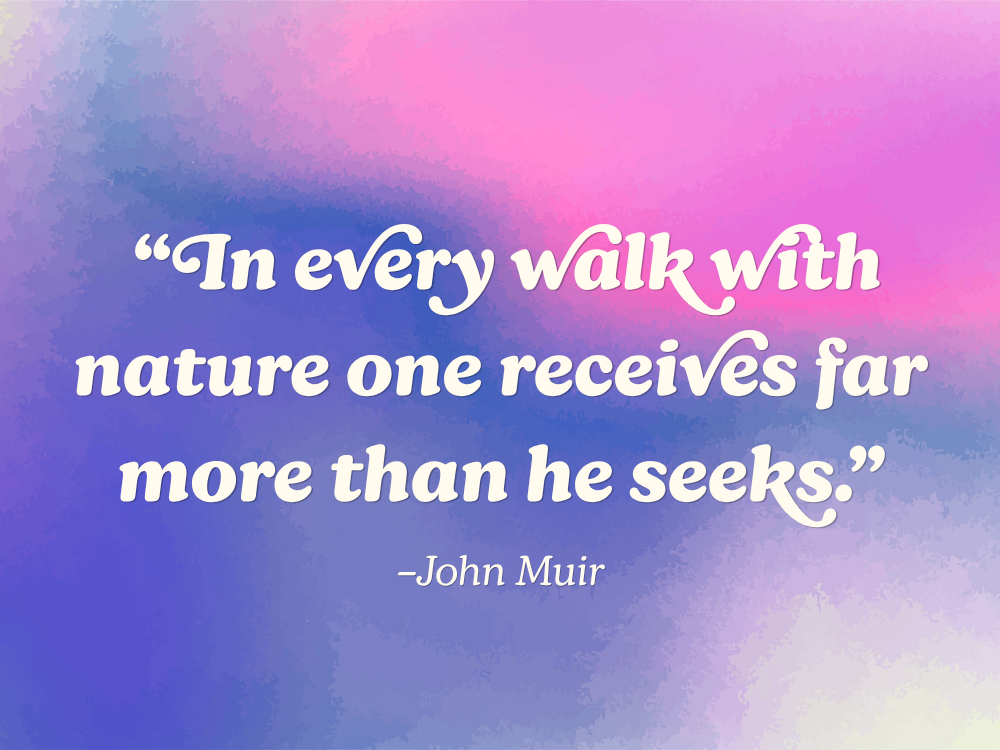
Creativity is something we all have within us, but accessing it consistently is much easier when we’re consistently feeding it with new ideas. Outside of work, or even within your scheduled break times, try getting out in nature, reading, listening to music, or looking at artwork. Oftentimes, we already have the idea; it just takes a nudge from an outside force to get it out of our heads and turned into something tangible. Regularly immersing yourself in nature or other creative elements makes all the difference in unlocking your own creative thinking.
@hummingbird_marketing When creativity is your career, you start noticing inspiration everywhere. Even at the grocery store. ✨ Welcome to the first Design Inspo IRL, where I find and share design inspo in real life instead of being chronically online. 💻 Today is #nationalwineday, so we’re focusing on wine labels. 🍷This industry has some of the widest variety of branding out there, making it pretty easy to find inspo in the wine aisle for any project. What’s your favorite wine label? And if you know of winery who needs a Graphic Design makeover, send them our way! #DesignInspo #DesignIRL #WineLovers #GraphicDesignInspiration ♬ original sound - Hummingbird Marketing Services
Inspiration is everywhere. Sometimes you’ll find the creative boost you’re looking for just by going about your daily life. Check out this video our graphic designer, Elizabeth, made for social media about the design inspiration she found in the wine aisle at her local grocery store.
Make time to pursue your own creative hobbies outside of your creative work. Painting, pottery, sewing, card making, playing an instrument, and even creating new recipes are just some of the endless creative outlets. If your work and your hobbies are intertangled and you’re experiencing burnout, consider pushing yourself to try a whole new creative hobby.
Step 8: Ignore the desire for perfectionism.
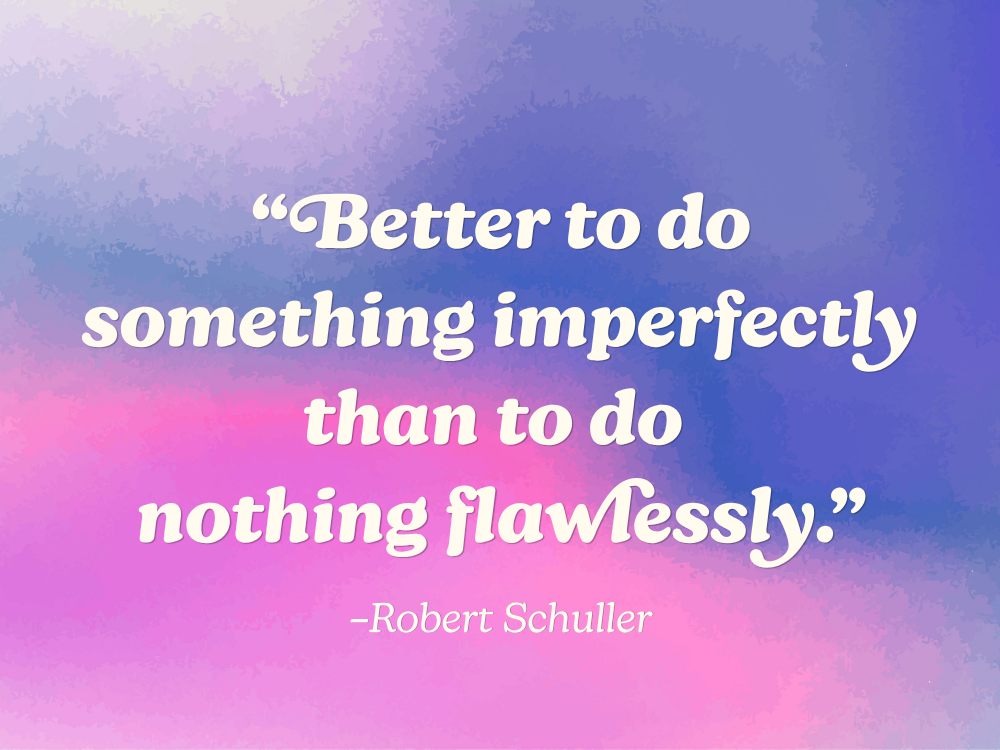
Perfectionism is often at the root of creative blocks. While it is wonderful to have high standards for your work, perfectionism can paralyze you. Excellence and perfectionism can be confused, but one is tied to skill and effort while the other is tied to shame and self-doubt. When you wait for an idea to be flawless before you start, you end up procrastinating. While you wait for things to be perfect, the procrastination turns into writer’s block.
The pursuit of perfection keeps your best creative thinking trapped in your head. The perfect deliverable doesn’t exist, but the real accomplishment is in the pursuit itself. In creative work, the value grows and develops in the doing, not in the waiting to start.
The fix is simpler than it sounds: just start. Poorly written drafts, messy sketches, and vague ideas are where all good creative work begins. Taking imperfect action is one of the most reliable ways to break through a block and keep your creative work moving. Done well and delivered beats perfect and half-finished every time. As you’re learning how to avoid burnout, work on simply beginning before you feel ready. Momentum will build, and your confidence will too, keeping your drive to create alive and thriving.
The Tail Feathers: Start protecting your creative energy today.
Every creative person hits slumps where the ideas just don’t flow. You’re not broken, and you’re not alone. These steps aren’t a magic fix, but together they form a toolkit to pull yourself out of a rut, or avoid the rut to begin with.
Whether you’re in the midst of burnout or working proactively to create a lifestyle void of it, pick just one step from above that feels doable today — tidy your desk, take a ten-minute walk, or spend the evening on a creative hobby. These small steps can build momentum that takes you far, and your future self will thank you.
If this blog resonated with you, share it with a creative friend or coworker who might need the reminder. And remember: your best work is still ahead of you, but first you must take care of the person creating it.